


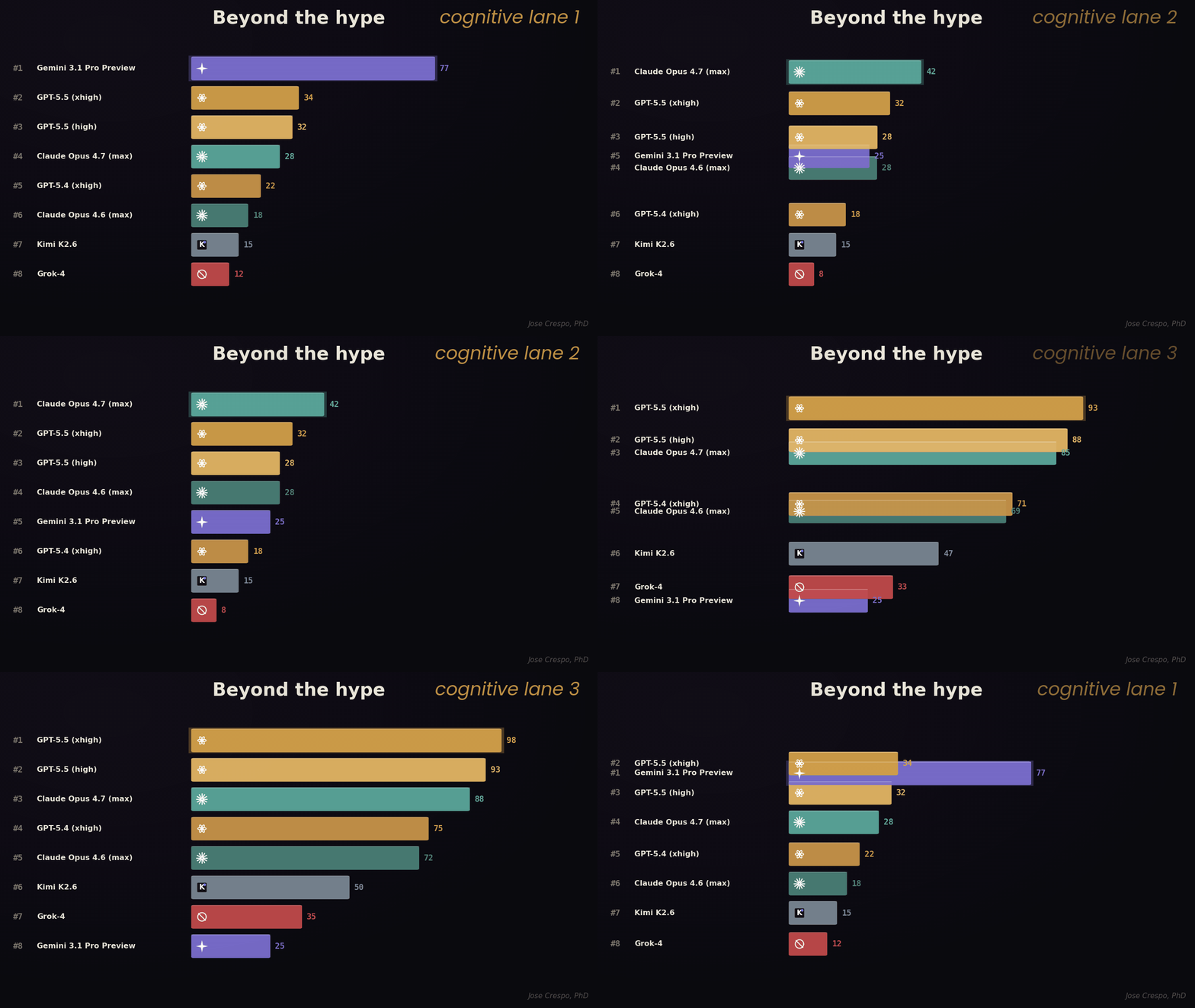
Oh no, another LLM guide?
I can understand that reaction. By now, everyone has seen too many of them, and you probably expect to find here another crowded table, another pointless ranking propped up by whichever benchmark fits the headline.
No. Forget it. Here you will not see another childish contest pretending to decide which LLM is the smartest, which is the cheapest, which writes the best code, or which sounds the most human. Most of that is BS when it comes to the thing that really matters to you: getting the damn job done in the best possible way.
So yes, you are lucky. Your frustration is welcome here, and what you are about to read is the first cognitive map of the frontier, the one built from your real work rather than from leaderboards.
The Cards on the Table
Pay attention now, please, because this is where we are saying bye-bye to the non-scientific LLM classifications you see most of the time.
First, let the math separate the chaff from the grain. Easy. Don’t worry, I have already done the homework for you.
This was the recipe: I took 24 related LLM skill variables extracted from real professional use cases, ran the rotation, and voilà, there you go — the three cognitive factors that actually predict which LLM is best suited to the task you need to solve.
The details of the several varimax rotations are not shown here. The animation below reproduces the math cooking the last varimax dish, the important one.

You have the diagnosis. The cure is behind the paywall: the decision rules, the routing patterns, and the multi-model sequences that turn the three lanes into countless hours saved and a lot of unnecessary pain avoided. Subscribe to unlock the rest.